What Does a Cruise Include in 2026? A Complete Breakdown
- Mar 27
- 16 min read
One of the biggest questions I get from first-time cruisers is simple: What does my cruise fare actually include?
It's easy to see the advertised price, but it’s harder to know what that number truly covers. Think of your cruise fare as the key that unlocks your floating resort. It bundles your room, most of your meals, and a ton of fun into a single price, giving you the foundation for an amazing vacation.
What's Typically Included in Your Base Cruise Fare
Let’s break down exactly what that initial payment gets you. At its core, the base fare is designed to cover all the essentials. You can absolutely have a complete and fantastic vacation without spending another dime onboard if you choose.
But, like buying a concert ticket only to find the cool merchandise and VIP experiences cost extra, it’s crucial to know what’s part of the deal and what’s considered an add-on. Understanding this from the start is the key to budgeting properly and avoiding any surprises when you get your final bill.

Here's a quick look at the core components of your cruise fare.

Accommodation
Your private cabin, cleaned daily by a room steward.
The price of your cruise will depend on the cabin type, with common categories being Interior, Oceanview, Balcony, or Suite.

Main Dining
Multi-course meals in the ship's main dining rooms.
This would consist of a sit-down breakfast, lunch, and dinner. All lines will offer a sit down dinner, but offerings of a sit down breakfast, lunch (or brunch) will vary by line.

Casual Food
A wide variety of grab-and-go or buffet-style options.
Food is available somewhere on the ship almost 24-hours a day. This includes buffets, pizza parlors, poolside grills, and cafes.

Basic Beverages
Standard non-alcoholic drinks.
Tap water, basic coffee, tea, and select juices.
Onboard Activities
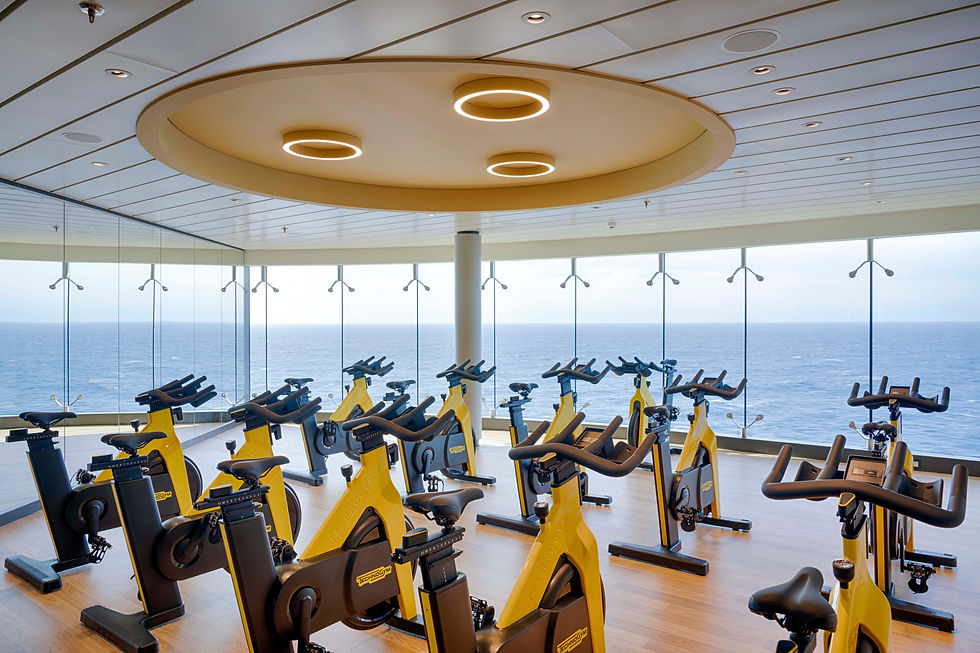
Access to pools, fitness centers, and daily events.
Pool decks, hot tubs, gym access, sports courts.

Entertainment
A full schedule of live shows and performances.
Broadway-style theater shows, live bands, comedy clubs.

Kids' Clubs
Supervised, age-specific programs for children and teens.
Youth programs for toddlers through teens.
This overview gives you a great starting point for understanding the incredible value packed into a cruise vacation. Now, let’s dig a little deeper.
Your Floating Home Base
The biggest piece of your fare is your stateroom. This is your private home away from home for the entire voyage, whether you’ve picked a cozy interior room or a sprawling suite with a private balcony. If you're not sure where to start, you can dive into our complete guide to cruise ship cabins. No matter which you choose, you'll have a dedicated room steward who keeps it spotless for you every day.
A World of Dining Options
Your cruise fare also covers an incredible amount of food. Forget worrying about where to eat for every meal—you'll have access to a fantastic variety of complimentary venues.
The Main Dining Room: This is your classic sit-down restaurant experience with multi-course menus for breakfast, lunch, and dinner featuring rotating daily specials. However, availability varies by cruise line. While dinner is typically offered nightly, budget-friendly lines may limit sit-down breakfast and lunch to sea days only or specific times. If leisurely morning or midday dining matters to you, verify the schedule with your specific cruise line before booking.
The Buffet: For a more casual, come-as-you-are dining experience, the buffet operates from early morning until late evening with a rotating selection of international cuisines. Expect carving stations with freshly sliced meats, made-to-order pasta or omelet bars, ethnic food stations (Asian, Mediterranean, Mexican), fresh salad bars, and expansive dessert spreads. It's ideal when you want variety, flexibility with timing, or prefer to dine in your swimsuit straight from the pool.
Casual Eateries: Beyond the buffet, modern cruise ships feature a network of complimentary quick-service venues scattered throughout the ship. Poolside grills serve up burgers, hot dogs, and fries with ocean views. Pizza parlors offer fresh slices throughout the day (and often late into the night). Many ships include 24-hour cafes or diners serving everything from sandwiches and soups to breakfast items any time you're craving them—perfect for early risers, night owls, or anyone nursing a case of midnight munchies.
The core value of a cruise is its bundled nature. You are paying for your transport, lodging, and a significant portion of your food and entertainment in a single, convenient transaction.
Non-Stop Entertainment and Fun
Beyond your room and meals, your fare unlocks a world of onboard fun. Almost every cruise ship includes complimentary access to its pools, hot tubs, and a surprisingly well-equipped fitness center.
But that’s just the beginning. Your daily schedule will be packed with entertainment options, all included in your price.
This often includes:
Elaborate, Broadway-style theater productions
Live music in various lounges, from piano bars to rock bands
Hilarious comedy shows
High-energy deck parties and movie nights under the stars
Age-specific kids' clubs and teen lounges, often a highlight for families
This powerful combination ensures there’s always something to do, see, or eat from morning until night, all without ever having to pull out your wallet. It's the starting point that makes cruising one of the best vacation values out there.
Navigating the Common Extra Costs on a Cruise
One of the biggest mistakes I see new cruisers make is assuming the price they paid upfront is the final price. It’s an easy trap to fall into, and it often leads to a bit of sticker shock when you get your final bill at the end of the trip.
But these extra costs aren't "hidden" fees. Think of them as opportunities to customize your vacation. By knowing what to expect, you can plan for them, budget accordingly, and avoid any surprises. So, what should you actually budget for? Let's break down the five most common expenses you’ll see on your onboard account.
Drinks Beyond the Basics
Your cruise fare covers the essentials—tap water, basic drip coffee, and select juices at the buffet—but nearly every other beverage comes at a cost. For many cruisers, drinks become the single largest onboard expense, so it pays to plan ahead.
What You'll Pay à la Carte:
Specialty Coffees: That morning latte or cappuccino from the ship's café runs $4 to $7 per drink—comparable to your favorite coffee shop at home.
Sodas: Individual cans cost $3 to $4 each. If you're a regular soda drinker, a dedicated soda package typically pays for itself after 3-4 drinks per day. Notable exceptions: Disney and Virgin Voyages include soda in their base fare.
Alcoholic Beverages: This is where costs escalate quickly.
Beer: $7–$9
Wine (by the glass): $9–$15
Cocktails: $12–$18
Should You Buy a Beverage Package?
If you'll be enjoying 4+ alcoholic drinks daily (or 5+ sodas), beverage packages often make financial sense. You pay a flat daily rate for unlimited drinks within the package tier. Before purchasing:
Calculate your typical consumption (be honest—vacation you vs. everyday you)
Check package restrictions (some exclude premium brands or have time limits)
Remember gratuity is usually added (typically 18-20% on top of the package price)
Note that all adults sharing a cabin may be required to purchase the same package
Pro tip: Wait for pre-cruise sales or embarkation day promotions—beverage packages are often discounted before you board.
Specialty Dining Restaurants
While the included dining is often excellent, most ships feature specialty restaurants offering a more intimate, elevated, or themed experience—think of it as a planned "date night" during your vacation.
What to Expect:
These venues range from classic high-end steakhouses and authentic Italian trattorias to Japanese hibachi grills, French bistros, seafood houses, and even celebrity chef concepts. The ambiance is typically more refined with smaller dining rooms, personalized service, and menus that go beyond the main dining room's offerings.
Pricing Models:
Cover Charge: A flat fee (typically $30–$60 per person) grants access to a multi-course menu. You can often order multiple items without additional cost.
À la Carte: Pay per dish, just like a land-based restaurant. Entrées usually range from $25–$50+, with appetizers and desserts priced separately.
Hybrid: Some venues charge a modest cover ($15–$25) plus à la carte pricing for premium items.
Is It Worth It?
Specialty dining shines for:
Special occasions – anniversaries, birthdays, or milestone celebrations
Culinary variety – trying cuisines not offered in the main dining room
Intimate atmosphere – quieter, more romantic settings than the larger dining venues
Picky eaters – guaranteed access to specific cuisines (like a dedicated steakhouse for meat lovers)
Booking Tips:
Reserve before your cruise or on embarkation day—popular restaurants fill quickly
Some cruise lines offer dining packages bundling multiple specialty meals at a discount
Lunch at specialty restaurants is sometimes cheaper (or even complimentary) compared to dinner
Shore Excursions: Exploring Beyond the Ship
When the ship docks, the destination awaits—but how you explore it is entirely up to you. Shore excursions are organized tours and activities that help you experience each port, though they're almost never included in your cruise fare.
Excursions are your gateway to adventure, but they come at a price. A simple walking tour might cost $50 per person, while an all-day adventure like a helicopter tour or scuba diving could be $300 or more.
Booking through the cruise line is convenient and comes with a guarantee that the ship won't leave without you if your tour runs late. However, you can often find great, and sometimes more unique, tours by booking directly with independent local companies in port.
A cost effective option is to focus on ports that don't require an independent excursion to enjoy. Many ports are walkable or offer affordable local transportation (taxis, rideshares, public transit). Research whether you can explore independently —this works especially well in ports like:
Cozumel (beach clubs within walking distance or short taxi ride)
Nassau (downtown shopping and beaches easily accessible)
European ports (many have charming old towns near the cruise terminal)
Several cruise lines feature their own private islands or exclusive beach destinations, offering a port day where the beaches, pools, and basic amenities are included in your cruise fare—no excursion costs required. Of course, premium experiences like cabanas, water sports, and upgraded dining are available as add-ons if you want to splurge.
Current Private Destinations:
Ocean Cay Marine Reserve (MSC Cruises)
Perfect Day at CocoCay (Royal Caribbean & Celebrity Cruises)
Great Stirrup Cay (Norwegian Cruise Line)
Harvest Caye (Norwegian Cruise Line)
Princess Cays (Princess Cruises)
Celebration Key (Carnival Cruise Line)
Half Moon Cay (Holland America and Carnival Corporation)
Bimini Beach Club (Virgin Voyages)
Castaway Cay (Disney Cruise Line)
Lookout Cay (Disney Cruise Line)
These destinations typically offer complimentary beach access, pools, BBQ lunch, and basic water sports equipment, with paid upgrades like private cabanas ($100–$500+), jet ski rentals, floating water parks, or specialty dining.
Wi-Fi and Automatic Gratuities
Two costs that are nearly universal on any modern cruise are staying connected and thanking the crew for their incredible service.
Wi-Fi Access: Getting internet at sea relies on satellite technology, and it comes at a premium. A basic plan for a single device will typically cost $20 to $30 per day. For a week-long cruise, that can easily add over $200 to your bill.
Automatic Gratuities/Hotel Charge: Plan for This: Every major cruise line automatically adds a daily service charge to your onboard account—typically $16 to $25 per person, per day (higher for suites). This gratuity is pooled and distributed among the crew members who serve you: your room steward, dining staff, bar team, and behind-the-scenes workers who keep the ship running smoothly.
Can you remove it? Technically, yes—you can visit guest services and request an adjustment. Should you? Absolutely not, unless you've experienced genuinely poor service. Removing gratuities is heavily frowned upon and considered disrespectful to the crew, many of whom depend on these tips as a substantial part of their compensation.
This applies across the industry—Carnival, Royal Caribbean, Norwegian, Princess, MSC, Disney, Celebrity, Holland America, and other mainstream lines all charge automatic gratuities. Some ultra-luxury lines (Explora, Silversea, Azamara) include gratuities in their base fare instead.
Budget accordingly: For a weeklong cruise, automatic gratuities add $112–$175+ per person to your total cost. Treat this as a mandatory expense, not an optional one.
How Different Cruise Lines Handle Inclusions
Figuring out what a cruise actually includes can be one of the most confusing parts of planning a trip. It’s not just about the sticker price; it's about understanding the entire value proposition. The truth is, what's included varies dramatically from one cruise line to another, and it’s the single biggest factor in shaping your onboard experience and final bill.
Think of it like choosing a hotel. You could book a standard room that gives you a great place to sleep, or you could opt for an all-inclusive resort where your food, drinks, and activities are all sorted. Neither is "better"—they're just different vacation styles. The same logic applies to cruise lines.
The Three Tiers of Cruising
To cut through the noise, it helps to group cruise lines into three main categories. This simple framework will help you match your expectations (and your wallet) to the right cruise line from the start.
Contemporary Lines (e.g., Royal Caribbean, Carnival, MSC Cruises): These are the floating mega-resorts of the ocean, known for their high-energy atmosphere and family-friendly fun. They offer the most affordable entry-level fares by operating on an à la carte model, where most extras come at an additional cost.
Premium Lines (e.g., Celebrity Cruises, Princess Cruises, Holland America Line): Sitting comfortably in the middle, these lines deliver a more refined and elevated experience. The focus shifts to sophisticated dining, more personal service, and a calmer onboard vibe. They aren't fully all-inclusive, but they often bundle more popular amenities into the fare.
Luxury & All-Inclusive Lines (e.g., Ritz-Carlton Yacht Collection, Silversea, Explora Journeys): At the top end, these lines aim to make your vacation seamless by including nearly everything in the upfront price. The initial fare is significantly higher, but it typically covers everything from gratuities and premium spirits to specialty dining, Wi-Fi, and sometimes even flights and shore excursions.
Here's where the math gets eye-opening: if you want Wi-Fi and a beverage package, and you factor in automatic gratuities, you're easily looking at $100+ per person, per day on top of your advertised cruise fare. For a week-long cruise, that's $700+ per person in extras before you've even booked a single shore excursion or specialty dinner.
Suddenly, those "expensive" all-inclusive cruise lines—like Explora Journeys, Regent Seven Seas, or Silversea—start looking a lot more reasonable. These lines include Wi-Fi, premium beverages, gratuities, and often specialty dining in their base price. If you're already considering suite-class cabins on mainstream lines like Royal Caribbean or Celebrity, the price gap narrows considerably, and the all-inclusive experience may actually deliver better value.
The Game Changer: Tiered Pricing and Bundles
To find a happy medium between traditional à la carte pricing and expensive all-inclusive luxury lines, many contemporary and premium cruise lines have introduced tiered bundled packages. These have completely changed the game, allowing you to create a more "all-inclusive" feel on a mainstream cruise while keeping costs reasonable.
The Concept:
Instead of paying for Wi-Fi, beverages, specialty dining, and other amenities separately (either onboard or after booking), you purchase a package upfront that bundles the most popular perks at a discounted rate. You get two major wins: significant cost savings (often 30–50% off individual pricing) and budget certainty (you know your total cost before you sail).
How Different Lines Approach It:
Norwegian Cruise Line – "Free at Sea" Norwegian's program lets you choose perks when you book: unlimited beverage package, specialty dining credits, Wi-Fi package, shore excursion credits, or friends & family reduced rates. The number of "free" perks increases with your cabin category—inside cabins might get one choice, while suites receive four or five. You can also purchase additional perk categories at discounted rates.
Princess Cruises – "Princess Plus" & "Princess Premier" Princess offers two tiers. Princess Plus (around $40–$50/person/day) includes gratuities, Wi-Fi, juice bar access, fitness classes, and limited specialty dining. Princess Premier (approximately $60–$80/person/day) adds unlimited premium beverages, more specialty dining, photo packages, and other upgrades. Both packages roll these costs into your fare for predictable budgeting and substantial savings versus buying separately.
MSC Cruises – Premium Drink and Wi-Fi Package MSC's approach is particularly smart for value-conscious cruisers. They allow you to add beverage and Wi-Fi packages at the time of booking, and here's the critical part: this package is substantially cheaper when purchased upfront than if you add them later—even if you try to add them before the cruise starts. The package includes the premium beverage package and Wi-Fi, can cost 30–50% less when booked with your initial reservation versus added during online check-in or onboard. If you know you want these amenities on an MSC cruise, booking them immediately is one of the easiest ways to save hundreds of dollars.
Royal Caribbean – "The Key" Royal Caribbean's package offers priority boarding, expedited departure, specialty restaurant discounts, premium beverage vouchers, and other convenience perks for a daily fee (typically $20–$30/person/day). It's less comprehensive than some competitors but adds value for travelers who prioritize convenience and time savings.
Why This Matters for Your Budget:
These packages eliminate two major cruise vacation stressors:
Unpredictable spending – You're not tracking every drink or second-guessing whether to order that cappuccino
Overpaying – Buying items separately almost always costs significantly more than bundled rates
How to Budget for Your Total Cruise Vacation
Okay, so you've seen the glossy brochures and the tempting base fares. But what does a cruise really cost by the time you're back home? Turning that advertised price into an all-in, real-world budget is the most crucial part of planning.
The best way to see how it all adds up is to walk through a few examples. We’ll look at three very different types of travelers to see how their choices—from the cruise line they pick to the extras they add—shape their final vacation cost.
Scenario 1: The Budget-Savvy Family
First up, let's meet the Jacksons. They're a family of four planning a fun 7-night Caribbean cruise on a contemporary line like Royal Caribbean or Carnival. Their goal is simple: have an amazing time without breaking the bank.
They snag a great deal on a spacious oceanview cabin for a base fare of $3,500. Knowing their kids will want soda all week, they add a soda package for each, tacking on about $170.
Here's how their other extras break down:
Gratuities: The standard automatic service charge for four people comes to about $504 ($18 per person, per day).
Shore Excursions: They book one official tour through the cruise line—a fun beach day with lunch included for $300. In their other two ports, they’ll save a bundle by simply walking to a nearby public beach and exploring on their own.
Specialty Dining: As a treat, they plan one dinner at the ship’s Italian restaurant, which has a flat fee of $140 for the whole family.
Wi-Fi: They grab a single-device Wi-Fi package for $160, just enough to check in back home and post a few vacation photos.
By prepaying their gratuities and booking that one key excursion ahead of time, they have a solid handle on their costs before they even step on the ship.
Total Family Vacation Cost: Base Fare: $3,500 Onboard Extras: $1,274 Grand Total: $4,774
Scenario 2: The Anniversary Couple
Next are David and Sarah, celebrating their 10th anniversary. They're looking for a more refined experience and have booked a 7-night premium cruise with a line like Celebrity or Princess.
They chose a balcony cabin with an inclusive fare bundle, like "Princess Plus," bringing their total to $4,000. This was a smart move. The bundle already covers their gratuities, Wi-Fi, and a premium beverage package, which takes most of the daily spending decisions right off the table.
With the main extras handled, their budget is all about adding special experiences:
Shore Excursions: They book a romantic catamaran and snorkeling tour for $250, plus a guided culinary tour in another port for $200.
Specialty Dining: While their fare includes some specialty meals, they decide to splurge on an exclusive chef’s table dinner for $200.
Spa Treatment: For the anniversary, they book a relaxing couples massage for $350.
Their final cost shows just how much value and peace of mind you can get from an inclusive fare package.
Total Anniversary Trip Cost: Fare Bundle: $4,000 Onboard Extras: $1,000 Grand Total: $5,000
Scenario 3: The Luxury Solo Traveler
Finally, let's look at Emily. She's a solo traveler treating herself to a 7-night, all-inclusive luxury cruise on a line like Viking or Silversea, where the goal is a completely seamless and stress-free escape.
Her upfront fare is $7,500. That might sound steep, but it’s vital to understand what's packed into that price: a suite, all gratuities, unlimited premium drinks (alcoholic and non-alcoholic), all specialty dining, Wi-Fi, and at least one included shore excursion in every single port.
Her only extra costs are purely optional indulgences. She decides to book a deep-tissue massage ($200) and picks up a few souvenirs in the onboard boutique ($150). That’s it. No surprise bill for cocktails, lattes, or tips at the end of the week.
Total Solo Luxury Escape Cost: All-Inclusive Fare: $7,500 Onboard Extras: $350 Grand Total: $7,850
As you can see, there’s no single price tag for a cruise vacation. It’s all about matching the right cruise line and fare to your personal travel style. And no matter which path you choose, the final step should always be protecting your investment. You can learn more about this crucial topic in our guide on why travel insurance should be a non-negotiable part of your planning.
Unlock Hidden Value with a Travel Expert
After digging into all the different cruise fares and what they include, one thing is crystal clear: the sheer number of choices is dizzying. Sifting through dozens of websites, comparing complicated fare bundles, and trying to translate the fine print can quickly turn exciting vacation planning into a stressful research project.
This is exactly where a travel expert becomes your most valuable asset.
Instead of spending your nights trying to figure out if Norwegian’s “Free at Sea” is a better deal for your family than Princess’s “Princess Plus,” you can lean on an expert who already knows the answer. Here at Wavebound Travel, my job is to cut through all that noise for you. I translate the industry jargon into simple, clear choices that actually fit your travel style and your budget.
Go Beyond the "Book Now" Button
Booking directly on a cruise line's website might feel straightforward, but you're often leaving a ton of value on the table. Those online portals are built to sell you a cabin, not to craft your perfect vacation. An algorithm can't ask the right questions, understand your unique preferences, or offer the kind of personalized advice that prevents you from making a costly mistake.
A travel expert, on the other hand, is your personal cruise consultant. I bring a human touch to the process that a website simply can't match.
A great travel advisor does more than just book your trip; they enhance it. I find the small opportunities—the better cabin location, the smarter package choice, the ideal dining time—that transform a good vacation into a great one.
I take the time to get to know what actually matters to you. Are you celebrating an anniversary and want a quiet, romantic vibe? Or are you wrangling a group of kids and need the absolute best entertainment at sea? My firsthand knowledge helps you pick the right ship, itinerary, and onboard experience from the very beginning.
The Power of Exclusive Perks
One of the biggest advantages of working with an advisor is getting access to benefits you simply can't get on your own. Thanks to our industry partnerships, we can often secure exclusive perks that add real, tangible value to your trip.
This often includes things like:
Onboard Credits: This is like getting free money to spend on the ship. We frequently have access to special offers that add $50, $100, or even more in onboard credit to your account for things like drinks, spa treatments, or souvenirs.
Special Group Rates: We can block out cabins at lower rates, giving you access to pricing that isn't available to the public.
Upgrades and Extra Amenities: From complimentary specialty dining to waived service fees, our connections can unlock a more premium experience without the premium price tag.
By helping you navigate the complexities of what a cruise truly includes, a travel expert ensures you not only understand your total cost but also get the maximum value for every single dollar. The difference between a DIY booking and getting expert guidance is significant, and understanding these hidden costs of booking direct can make all the difference.
Ultimately, partnering with an expert means less stress, more perks, and a seamless journey from planning to port.
Planning a cruise involves a lot of moving parts, but you don't have to figure it all out alone. At Wavebound Travel, I specialize in cutting through the confusion to design a seamless, personalized vacation that perfectly matches your style and budget. From securing exclusive perks to handling every last detail, I'm here to make your cruise unforgettable.
Ready to plan a stress-free voyage? Start your journey with Wavebound Travel today!


Comments